Pages

Monday, February 29, 2016

The New Coop

The Coop
 We recently purchased a new house, that contains a dog house in the backyard. We are working on turning it into a chicken coop. We think it has a ton of wasted space behind the walls (picture below) and we are working on tearing them out. When this coop is done, it will be super strong. It will keep out the bears. If we are right about the wasted space, there will be enough room for up to 13 chickens.

Wasted space behind wall?

Friday, February 26, 2016

How Much Salt Does It Take To Float Different Things?


Introduction

Have you ever wondered how much better things float in saltwater? If you have, there is no more wondering to do, because we have wondered for you. We've done an experiment to see.

Materials

Lots of room temperature water, a cup, a one cup, a teaspoon, glass marble, metal marble, ice cube, dime, quarter, salt, almond, grape, aluminum foil, paper clip, and a spoon to stir with

Hypothesis

To float a marble, it will take 15 tsp of salt. To float an ice cube, it will take 13 tsp. To float a metal ball, it will take 20 tsp. To float a dime, it will take 5 tsp. To float a quarter, it will take 10 tsp. To float an almond, it will take 5 tsp. To float a grape, it will take 3 tsp. To float a paper clip, it will take 15 tsp. To float a piece of crumpled up aluminum foil, it will take 3 tsp.

Procedure


1.    Fill your glass with one cup of water.
2.    See if the glass marble floats. If it doesn’t, add a tsp of salt to the glass, and stir it in. Does it float now?
3.    Continue putting salt in your glass until it floats. Some things will not float at all.
4.    Do this with all of your items. Wash out the cup between each one.
5.    How many tsp of salt did it take for each item to float?
6.    Record your results.
Results


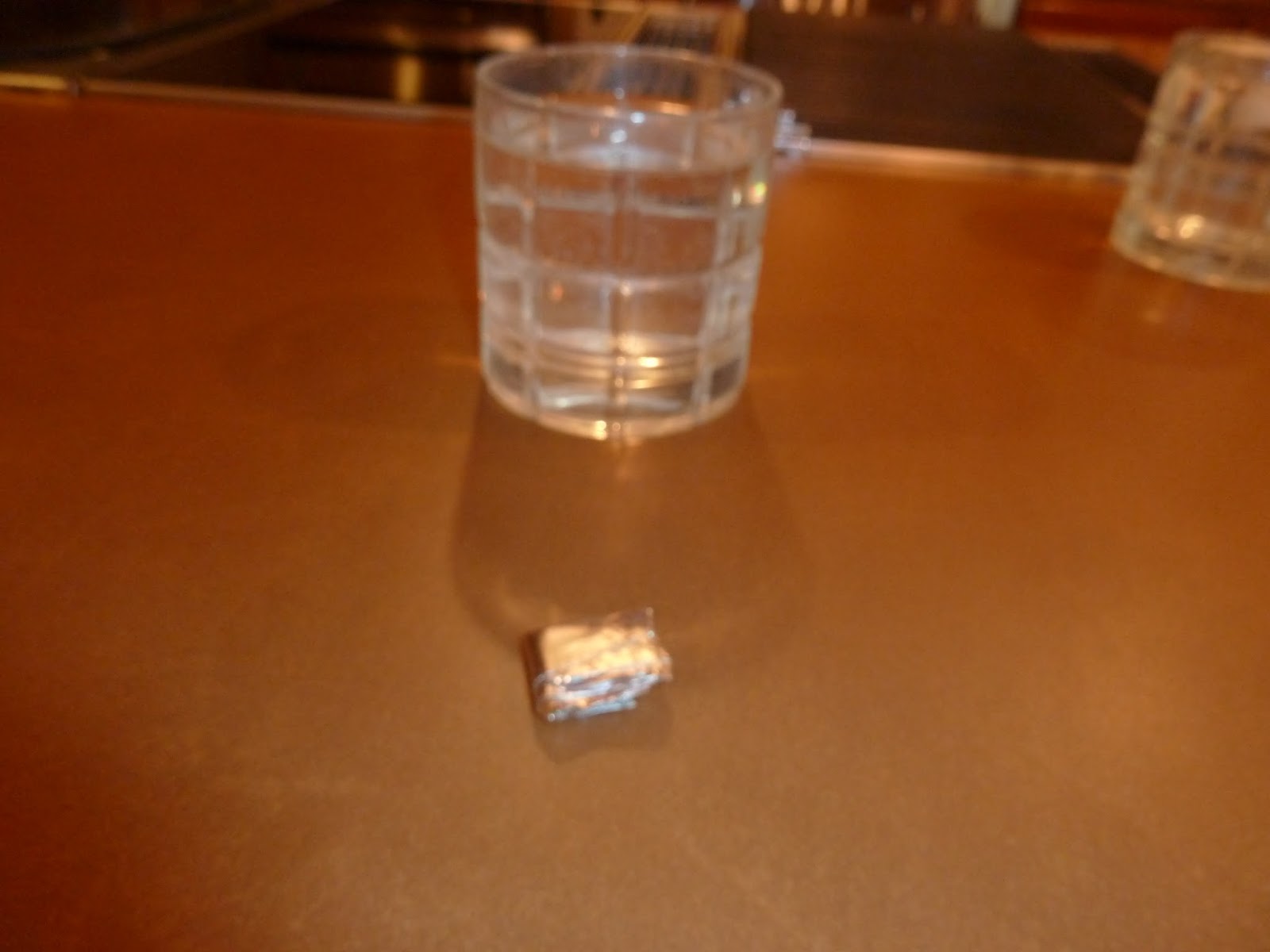
 Aluminum foil, hypotheses 3 tsp, actual 5 tsp
 Almond, hypothesis 5 tsp, actual 4 tsp
 Grape, hypothesis 3 tsp, actual 4 tsp
 Glass marble, hypothesis 15 tsp, actual, no floater – salt stopped dissolving at 12 tsp
 Metal marble, no floater, hypothesis 20 tsp
 Dime, no floater, hypothesis 5 tsp
 Quarter, no floater, hypothesis 10 tsp
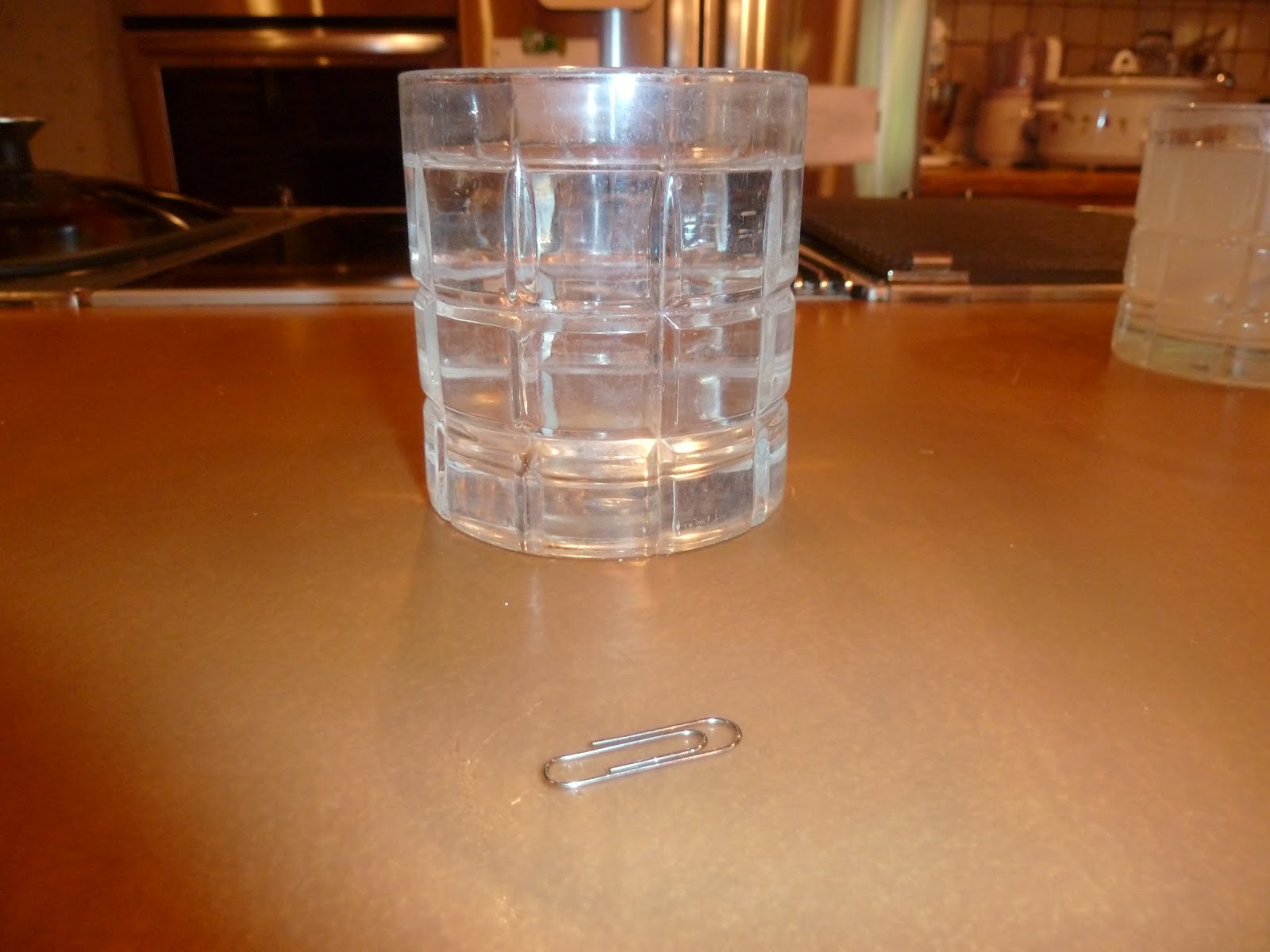
 Paper clip, no floater, hypothesis 15 tsp
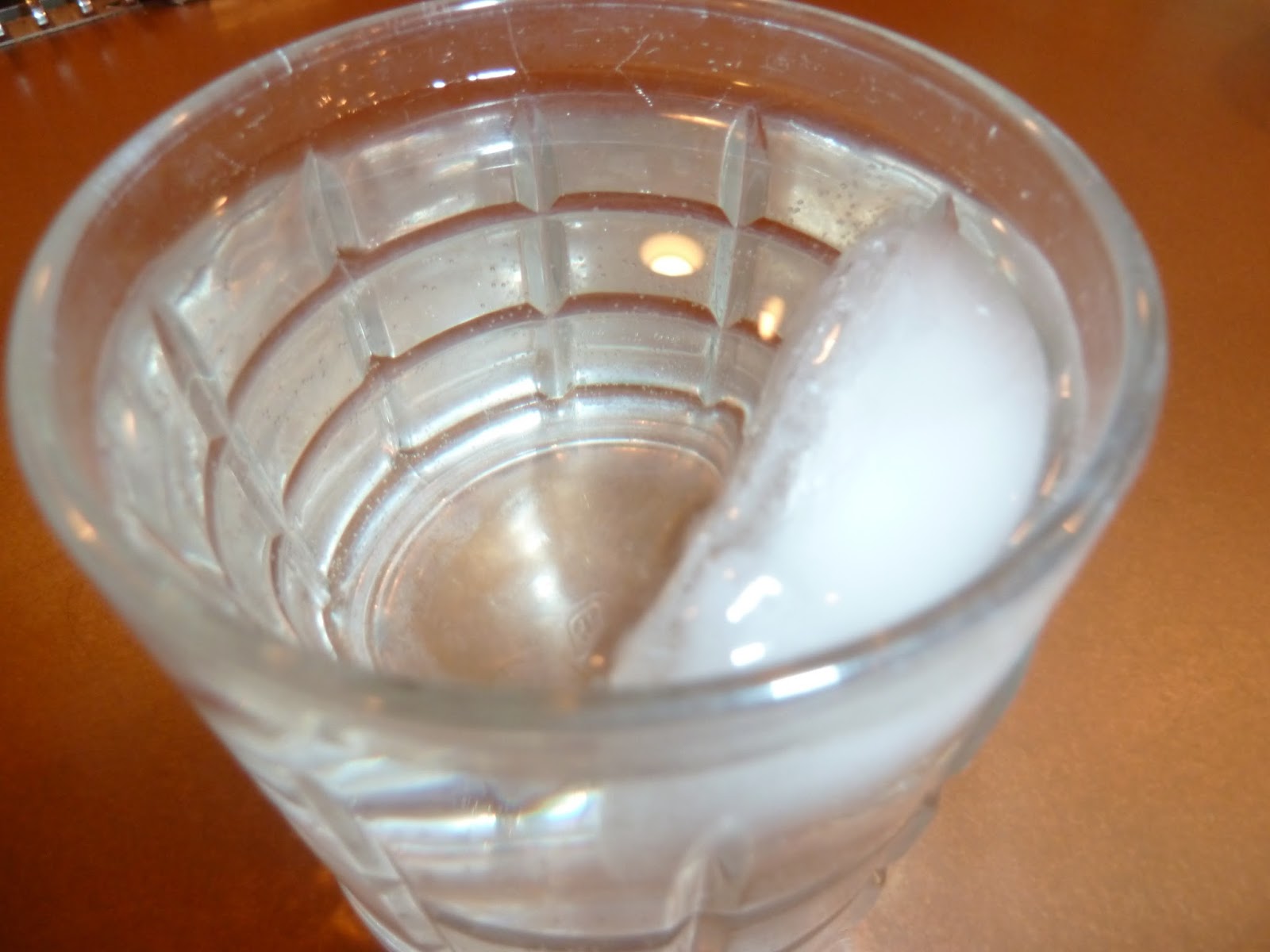
 Ice cube, 0 tsp, already floats

 Conclusion

It turned out my hypothesis was wrong, I was very close with the almond and the grape though. Most of the things didn’t even float at all. Next time, I could start with salt and add water. Then everything would float. Maybe I could do even more ingredients like corn, beans, or chocolate. I could even add sugar to the water, and see if I get different results.
Experiment View
Ice Cube Before Testing
It Already Floats
Aluminum Foil Before Testing
It Sinks
It Is Now Floating Because Of The Salt


Almond Before Testing


It Sinks
It Floats Now
Grape Before Testing
It Sinks
It Floats Now
Paperclip Before Testing
It Sinks
It Still Sinks
Metal Ball Before Testing
It Sinks
It Still Sinks
Dime Before Testing
It Sinks
It Still Sinks

Tuesday, January 19, 2016

Things You Will Need to Raise Backyard Chickens


Polish Chicken Named Tiger

There are many breeds of chickens. Some have poofs on their head.
 
Polish Chicken Named Tiger


Today we will talk about coops. When it comes to coops, you will need four things; roost, food, water, and nest box. Lets go through them one by one. 

Roost

Roost is where chickens sleep at night. It is basically like a tree branch. Roosts should be 1 1/2 inches in diameter. For smaller chickens, one inch is better. Keep in mind that chickens poop in their sleep, so you should never make your roosts directly underneath one another.

Food

Chickens eat pretty much anything, but what most people feed their chickens is grain. 
When you build your feeder, it should be only big enough for their head to fit in. If it is too big, the chickens will get in your feeder and scratch around wasting the feed.
  
Water

There are many ways to give your chicken water. Just go to google and type in (chicken waterer.) You will find one right away. 

Nest boxes

Last but not least, if you are raising chickens for eggs. Nest boxes are important. Chickens will lay their eggs in them. Nest boxes need to be at least 12'' w X 12" h X 14" L.
Silverfeather The Chicken

Friday, December 4, 2015

                            Chicken Facts                                  Did you know that chickens eat almost everything given to them? They are almost three times more common then humans. Chicken eggs can be green, or blue depending on the breed. Some breeds of chickens can run up to 9 miles per hour, which is 14.5 kilometers.